Lost in the Medina Maze? What No One Tells You About Fes’s Souks
Navigating the bustling commercial heart of Fes, Morocco, is more than a shopping trip—it’s a sensory adventure. The narrow alleys of the medina pulse with life, color, and centuries of history. But behind the magic, first-time visitors often get misled by aggressive vendors, confusing layouts, and hidden markup traps. I’ve been there, overwhelmed and disoriented. This is your real-talk guide to experiencing Fes’s legendary markets—authentically, confidently, and without the common regrets. From knowing when to walk away to spotting true craftsmanship, this guide arms you with the insights most travelers only gain after costly mistakes.
Entering the Fes Medina: First Impressions vs. Reality
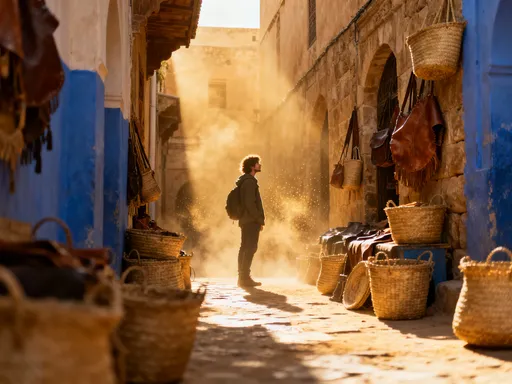
Stepping into the Fes el-Bali medina for the first time is like stepping into a living tapestry woven from centuries of trade, tradition, and resilience. The air hums with a symphony of sounds: the rhythmic tapping of coppersmiths, the call to prayer echoing from nearby minarets, and the constant murmur of bartering voices. Sunlight filters through narrow openings overhead, casting golden streaks across cobblestone paths worn smooth by generations of footsteps. It’s easy to be swept up in the romance of it all—until the reality sets in.
The truth is, the medina is not designed for ease. Unlike modern shopping districts with clear signage and wide walkways, Fes’s souks follow a labyrinthine pattern shaped by history, not convenience. There are no street names, no digital maps that work reliably indoors, and no uniform layout to follow. What appears to be a straight path often dead-ends into a courtyard or spirals back on itself. First-time visitors frequently find themselves retracing steps, circling the same spice stall three times, or emerging unexpectedly into a residential quarter.
This disorientation isn’t accidental—it’s part of the medina’s character. Built over 1,200 years ago, the old city evolved organically, shaped by family trades, religious institutions, and defensive needs. Today, its complexity remains a defining feature. But understanding this upfront can shift your mindset from frustration to fascination. Rather than seeing getting lost as a failure, many seasoned travelers learn to embrace it as part of the experience. Still, preparation matters. Arriving with realistic expectations—knowing you’ll likely get turned around, that crowds will press in, and that vendors will approach you—helps you stay calm and centered.
It’s also important to note that the medina is not a performance for tourists. While many shopkeepers welcome foreign visitors, they are conducting real business in a real community. Families live above the shops, children play in side alleys, and donkeys laden with goods weave through the crowds. Respecting this balance—being mindful of personal space, avoiding loud behavior, and dressing modestly—goes a long way toward fostering positive interactions. Entering the medina isn’t just about navigating space; it’s about entering a way of life.
The Hidden Rules of Engagement in Fes’s Markets
Beyond geography, the social dynamics of the souk present their own set of challenges. Many visitors are unaware that there are unspoken rules governing how to interact with vendors—rules that, when ignored, can lead to awkwardness, overpaying, or even feeling manipulated. One of the most common misunderstandings involves eye contact and smiling. In Western cultures, a friendly smile might signal openness or interest. In the souks, however, it can be interpreted as an invitation to begin negotiations. A simple glance at a leather bag can prompt a vendor to pull out three more options and start quoting prices—sometimes before you’ve even decided to buy.
Haggling is expected in most parts of the medina, but it’s not a free-for-all. It’s a ritualized exchange rooted in mutual respect. The goal isn’t to “win” by driving the price down to nothing; it’s to reach a fair agreement that feels satisfying to both parties. Starting too low—such as offering one-tenth of the asking price—can be seen as disrespectful, especially for handmade items that took hours or days to create. A better approach is to ask for a reasonable discount, listen to the seller’s counteroffer, and negotiate with patience and politeness.
Another subtle but significant tactic used in the souks is the so-called “friendly guide.” These individuals often approach solo travelers with offers to show them the best shops or explain local crafts. While some are genuinely helpful, many operate on commission, steering visitors toward specific boutiques where they earn a kickback. In some cases, these guides may even accompany you into a shop, speak on your behalf in Arabic, and pressure you to accept inflated prices. The best defense is to politely decline unsolicited assistance and rely instead on pre-booked, licensed guides or your own research.
Equally important is knowing when to walk away. If a vendor becomes pushy, raises their voice, or blocks your path, it’s perfectly acceptable to say “la shukran” (no thank you) and leave. Most shopkeepers understand that not every interaction leads to a sale. Maintaining firm but courteous boundaries ensures that your experience remains enjoyable without compromising your comfort. Remember: respect goes both ways. Treating vendors as partners in a cultural exchange—not adversaries in a transaction—creates a more meaningful visit for everyone involved.
Spotting Authentic Craftsmanship Amid Mass Imports
One of the greatest joys of visiting Fes is the opportunity to bring home a piece of Morocco’s rich artistic heritage. The city has long been a center for traditional craftsmanship, from intricately carved cedar wood to hand-stitched leather and hand-painted zellige tiles. However, not everything sold in the souks is made locally or by hand. In recent years, global supply chains have brought factory-made goods from China and other countries into the medina, often passed off as authentic Moroccan crafts.
Telling the difference requires attention to detail. Take babouches, the iconic leather slippers often dyed bright yellow or red. Genuine handcrafted babouches are stitched with irregular, slightly uneven seams—a sign of human touch. The leather is soft, breathable, and develops a natural patina over time. In contrast, imported versions often have perfectly uniform stitching, synthetic soles, and a chemical smell. Similarly, real zellige tiles are chipped and shaped by hand, resulting in slight variations in size and color. Mass-produced imitations, meanwhile, are uniform and machine-cut, lacking the depth and character of the originals.
Leather goods from the famous tanneries offer another test of authenticity. True Fes leather is vegetable-dyed and treated using centuries-old methods. When held up to the light, the colors appear rich and layered, not flat or overly bright. A reputable artisan will be happy to explain the process, show you samples of raw hides, or even invite you to view the nearby tannery vats (though the smell can be intense). If a seller avoids these details or insists the leather is “imported but better quality,” that should raise a red flag.
Supporting certified ateliers and cooperatives not only ensures authenticity but also contributes directly to local livelihoods. Many artisans in Fes work in small family-run workshops, passing skills from generation to generation. By choosing to buy from them, you help preserve endangered crafts and promote sustainable tourism. Don’t hesitate to ask questions: Where was this made? Who made it? How long did it take? Sellers who take pride in their work will answer willingly. Those who hesitate or give vague answers may be masking the true origin of their products.
Navigating Key Commercial Zones Without Getting Lost
While the medina may seem like an endless maze, it is actually organized into specialized quarters, each dedicated to a particular craft or trade. Understanding these zones can dramatically improve your navigation and shopping experience. One of the most famous is the Chouara Tannery, where leather has been processed using traditional methods since the 11th century. The sight of dye pits filled with vibrant colors—saffron yellow, indigo blue, poppy red—is unforgettable. However, due to the strong odors, many shops offer mint leaves to guests viewing the site from rooftop terraces. Visiting early in the morning helps avoid both the heat and the largest tour groups.
Nearby is the Attarine Souk, specializing in spices, herbs, and traditional remedies. This section bursts with color and aroma: mounds of saffron, cumin, ras el hanout, and dried rose petals fill woven baskets. Vendors here are often knowledgeable about the uses of various blends, from cooking to wellness. It’s a good place to sample and learn, though prices can vary widely. Comparing offerings across several stalls before buying helps ensure you’re getting quality at a fair price.
The Nejjarine Square area is home to master woodworkers who create everything from ornate doors to delicate chess sets. The nearby Nejjarine Museum of Wooden Arts and Crafts offers historical context and showcases exceptional pieces, making it a valuable stop before shopping. Similarly, the Seffarine Square echoes with the sound of metalworkers hammering brass and copper into lamps, trays, and teapots. Watching a craftsman at work provides insight into the time and precision involved—useful context when evaluating price.
Rather than relying on GPS, which often fails in the narrow alleys, use landmarks to orient yourself. A distinctive doorway, a fountain, a particular mosaic, or even a familiar shop sign can serve as a mental marker. Some travelers find it helpful to take photos of key intersections or carry a simple hand-drawn map. Avoid following strangers who insist they know a “shorter route”—these detours often lead to high-pressure shops where commissions are earned. Instead, allow yourself time to wander, knowing that even wrong turns can lead to unexpected discoveries.
The Truth About Guided Shopping Tours
Given the complexity of the medina, many visitors consider hiring a guide. This can be an excellent decision—if done wisely. A knowledgeable, licensed guide can demystify the souks, explain cultural nuances, and introduce you to reputable artisans. They can also help you avoid common pitfalls, such as overpaying or visiting shops that exist primarily to exploit tourists. However, not all guides are created equal.
One of the biggest concerns is commission-based guiding. Some individuals—often not officially licensed—offer their services on the street and then take visitors to specific boutiques in exchange for a percentage of sales. In these cases, the priority shifts from education to profit. You may be steered toward overpriced items or pressured to buy something you don’t want. The guide might even exaggerate the value or rarity of a product to justify a higher price.
To avoid this, seek out guides who are certified by the Moroccan Ministry of Tourism. These professionals wear identification badges and are trained in history, culture, and ethical practices. Better yet, book through a reputable cultural center, hotel concierge, or verified online platform with transparent pricing and customer reviews. Look for guides who emphasize storytelling, craftsmanship, and cultural exchange over shopping volume.
A good guided tour doesn’t rush you from shop to shop. It allows time for observation, questions, and reflection. It respects your autonomy, never forcing you into stores or pressuring you to spend. And it leaves you not just with souvenirs, but with a deeper understanding of Fes’s living heritage. If you choose to go unguided, that’s equally valid—but equip yourself with maps, language basics, and a clear sense of your goals before entering the maze.
Smart Spending: Value, Not Just Price
In the souks, the cheapest option is rarely the best value. This principle is especially true when purchasing handmade goods. A beautifully tooled leather bag might cost more than a similar-looking one at a roadside stall, but the difference lies in materials, labor, and longevity. The higher-priced item may use full-grain vegetable-tanned leather, hand stitching, and dyes that won’t fade. The cheaper alternative might rely on synthetic materials, glue assembly, and chemical dyes that crack or bleed over time.
Understanding this distinction transforms shopping from a transaction into a form of cultural participation. When you pay a fair price for authentic craftsmanship, you support real people—artisans, dyers, weavers, and apprentices—who depend on this income to sustain their families and traditions. In contrast, bargain hunting at outlets selling mass imports funnels money away from local communities and toward global distributors.
That doesn’t mean you should pay whatever price is quoted. Haggling remains a normal and expected part of the process. But aim for fairness, not exploitation. Consider the time, skill, and materials involved. A hand-painted tile might take a week to complete. A wool carpet could require months of work. Recognizing this labor helps justify a higher price point. Rather than fixating on getting the “best deal,” ask yourself: Is this item well made? Will I use it for years? Does the seller seem fairly compensated?
Setting a budget in advance helps maintain clarity. Decide how much you’re comfortable spending on key categories—textiles, leather, ceramics—and stick to it. This prevents impulse buys driven by pressure or emotion. It also allows you to prioritize pieces that truly resonate with you, rather than filling a suitcase with forgettable trinkets. Ultimately, the most valuable souvenirs aren’t the cheapest—they’re the ones with a story, a purpose, and a connection to the people who made them.
How to Leave the Souk with Pride, Not Regret
A successful visit to the Fes medina isn’t measured solely by what you bring home, but by how you engage with the experience. The most rewarding journeys are those marked by patience, awareness, and mutual respect. When you navigate the souks with intention—asking questions, observing craftsmanship, and treating vendors as individuals rather than obstacles—you create memories that last far longer than any purchase.
Regret often stems from feeling rushed, pressured, or misled. It comes from buying something on impulse just to escape a persistent vendor, or realizing too late that a “bargain” was actually a knockoff. But pride comes from knowing you made informed choices, supported authentic artisans, and immersed yourself in a centuries-old tradition of trade and community.
The medina is not a place to conquer or master. It’s a living, breathing organism that resists simplification. Getting lost is inevitable. Misunderstandings will happen. But each moment offers a chance to learn, adapt, and connect. Whether you’re watching a coppersmith shape a tray with a hammer passed down through generations, or sharing a cup of mint tea with a shopkeeper who shows you family photos, these human moments are the true treasures of Fes.
As you exit the medina, stepping back into the modern world, carry with you more than souvenirs. Carry the lessons of presence, discernment, and cultural appreciation. Let the colors, sounds, and scents linger not just in your senses, but in your understanding of what responsible, meaningful travel looks like. The souks of Fes don’t need to be feared or mastered—they need to be experienced with open eyes, an open mind, and a respectful heart. In doing so, you don’t just survive the maze—you become part of its story.