Wheels and Wonders: Chasing Patagonia’s Soul from Behind the Wheel in Punta Arenas
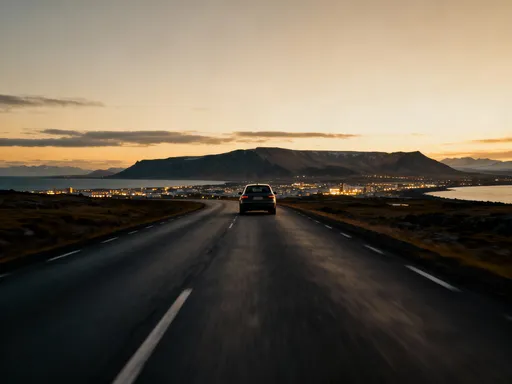
Patagonia doesn’t just invite adventure—it demands it. And there’s no better way to answer that call than by hitting the open road from Punta Arenas with freedom in your hands and wonder in your heart. I’ll never forget that first sunrise over the Strait of Magellan, wind whispering through the southernmost peaks, as I set off to uncover the region’s most iconic landmarks. This journey isn’t just about places—it’s about feeling alive. With each mile, the landscape shifts—from coastal plains to towering mountains, from quiet villages to untouched wilderness. Driving through this vast region offers a rare blend of solitude and awe, where every turn reveals a new vista, and every stop tells a story. This is not tourism as routine; it’s travel as transformation.
The Gateway to the End of the World
Punta Arenas, perched on the edge of the Strait of Magellan, stands as the most important access point to Chilean Patagonia. Though modest in size, its role in regional exploration is monumental. As the largest city within the Magallanes Region, it serves as a logistical anchor for travelers embarking on self-drive journeys into some of the most remote and breathtaking landscapes on Earth. The city’s infrastructure is thoughtfully adapted to the needs of adventurers: fuel stations are reliable, car rental agencies are well established, and local markets stock everything from thermal clothing to navigation tools essential for long-distance travel.
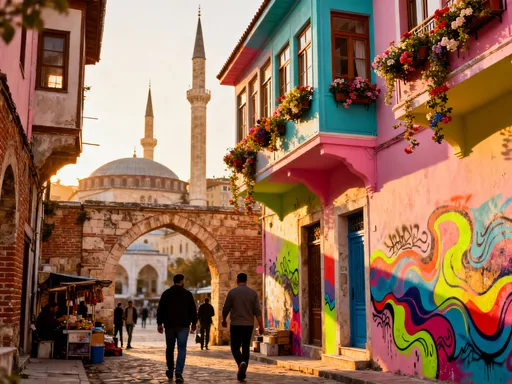
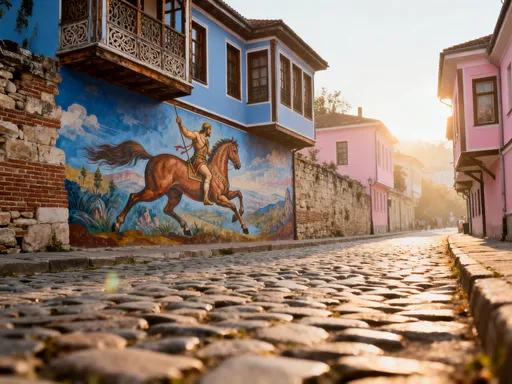
What makes Punta Arenas truly unique is its position at the crossroads of history and nature. Founded in the mid-19th century as a penal colony and later a hub for sheep farming, the city has evolved into a cultural and practical gateway for modern explorers. Its streets, lined with colorful wooden houses built to withstand the region’s relentless winds, reflect a resilience mirrored in the surrounding terrain. The city’s quiet atmosphere—free from the overwhelming crowds of more commercialized destinations—creates a peaceful starting point before the wilds of Patagonia take over.
From here, well-maintained roads stretch in multiple directions, but the most popular route leads north along Route 9 toward Puerto Natales and eventually Torres del Paine National Park. This paved corridor, though occasionally interrupted by gravel stretches, is navigable year-round with a standard 4x4 vehicle. For many, the act of renting a car in Punta Arenas symbolizes the beginning of true independence—a shift from passive sightseeing to active discovery. With a full tank of fuel and a detailed map, travelers gain the power to define their own pace, their own stops, and their own moments of awe.
Moreover, Punta Arenas offers more than just logistical convenience. Its museums, cafes, and waterfront promenades provide a gentle introduction to Patagonian life. The Museo Regional de Magallanes, housed in a restored 19th-century mansion, offers insight into the region’s colonial past and the lives of early European settlers. This grounding in history enriches the journey ahead, reminding travelers that every path they take has been shaped by centuries of human endeavor and natural forces. Starting in Punta Arenas means beginning not just a trip, but a deeper engagement with one of the planet’s last great wildernesses.
Starting Strong: Monuments That Tell a Story
No visit to Punta Arenas is complete without pausing at the Monument to Ferdinand Magellan, a towering bronze statue standing proudly in Plaza Muñoz Gamero. Erected in 1920, it honors the Portuguese explorer who first navigated the strait bearing his name in 1520. More than a tribute to a historical figure, the monument symbolizes the enduring spirit of discovery that continues to draw people to Patagonia. Families often gather around its base, children climbing the surrounding stone walls, while travelers take quiet moments to reflect on the courage it took to sail into the unknown—a feeling many will soon re-experience on the open road.
Just a short walk away lies the Salesian Museum, a red-brick building that once served as a mission school for indigenous Kawéskar and Yaghan communities. Today, it preserves artifacts, photographs, and tools that offer a respectful glimpse into cultures that lived in harmony with this harsh environment for thousands of years. The museum’s collection includes intricately carved canoes, woven baskets, and religious objects that reflect both spiritual depth and practical ingenuity. Its quiet halls contrast sharply with the howling winds outside, creating a space of contemplation before the journey into the wild begins.
These landmarks do more than fill an itinerary—they anchor the traveler in context. Understanding the region’s human history deepens appreciation for its natural wonders. The Salesian missionaries, for instance, were among the first to document the flora, fauna, and geography of southern Patagonia, laying groundwork for future exploration. Their legacy is not one of conquest, but of observation and adaptation—qualities essential for any modern traveler navigating these unpredictable lands.
Another notable site is the Cementerio Municipal, often cited as one of the most beautiful cemeteries in South America. Nestled on a hillside, it features ornate wooden mausoleums and ironwork gates, many belonging to the wealthy sheep barons of the early 20th century. While the subject of cemeteries may seem solemn, this one radiates dignity and artistry, reflecting the prosperity that once flowed from Patagonia’s vast estancias. It stands as a testament to a bygone era when wool was king, and the region’s economy thrived on the backs of hardy sheep and even harder people.
On the Road to Puerto Natales: Scenic Highways and Hidden Details
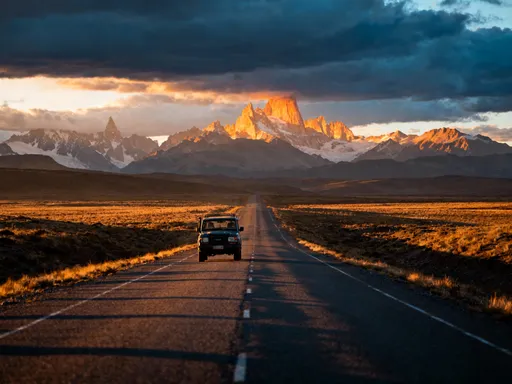
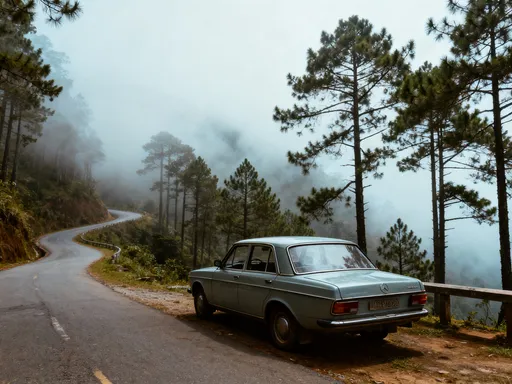
The drive from Punta Arenas to Puerto Natales along Route 9 is more than a transit segment—it is an unfolding revelation. As the city fades in the rearview mirror, the landscape opens into sweeping steppes where guanacos graze in small herds, their slender silhouettes stark against the horizon. The road, mostly paved but occasionally shifting to well-compacted gravel, cuts through a land of subtle beauty: golden grasslands, distant snow-capped peaks, and skies that stretch endlessly in every direction. This 220-kilometer journey typically takes about three hours, but the wise traveler allows a full day to fully absorb its quiet wonders.
Along the way, several pull-offs invite spontaneous stops. One of the most intriguing is the site of old shipwrecks near Bahía Felipe. These rusted hulls, remnants of early 20th-century maritime efforts to transport goods before roads were built, lie half-buried in the sand, their skeletal frames slowly being reclaimed by the elements. Interpretive signs explain their history, offering a tangible link to a time when sea travel was the only option. These silent vessels stand as monuments to human ambition and the unforgiving power of nature.
Midway through the journey, the small settlement of San Gregorio offers a chance to stretch legs and refuel. A modest roadside cafe, known locally for its strong mate tea and handmade lamb empanadas, provides warmth on chilly days. The owner, often seen tending a small garden despite the wind, shares stories of life in this isolated region with a quiet pride. These human encounters, brief as they may be, add emotional texture to the journey, reminding travelers that Patagonia is not just a destination, but a lived experience for those who call it home.
Weather along this route can change rapidly. One moment, the sun bathes the plains in golden light; the next, a sudden squall sweeps in from the Andes, reducing visibility and testing vehicle control. Drivers are advised to check forecasts before departure and to carry extra layers, water, and emergency supplies. While cell service is limited, most rental vehicles come equipped with basic GPS systems, and paper maps remain a reliable backup. The solitude of this road is part of its allure, but it demands respect and preparation.
Torres del Paine: The Crown Jewel in Your Rearview Mirror
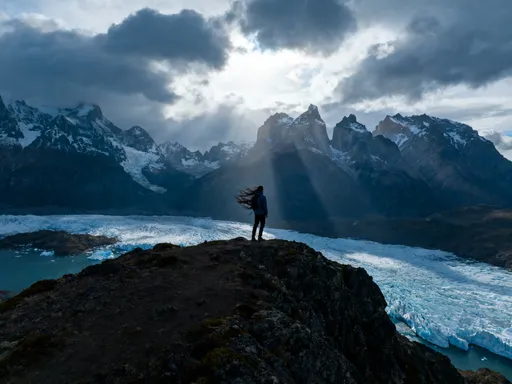
As Puerto Natales comes into view, the anticipation builds for what lies beyond: Torres del Paine National Park, a UNESCO Biosphere Reserve and one of the most celebrated natural wonders in the Americas. The final approach, especially from the south via Route 9 and then the gravel Y-150, is designed to tease. The park’s iconic granite towers—the Paine Massif—first appear as distant silhouettes, then gradually emerge in full glory as the road winds through glacial valleys and past turquoise lakes. This gradual reveal is one of the great rewards of self-driving: no bus schedule, no forced timeline, just the unfolding drama of nature on its own terms.
One of the most breathtaking vantage points is Mirador Cerro Castillo, located just before the official park entrance. Here, a short hike from the roadside delivers a panoramic view of the Cuernos del Paine—their jagged peaks reflected in the still waters of Lake Nordenskjöld. Photographers often arrive at dawn to capture the first light painting the rock faces in hues of rose and gold. Unlike crowded viewpoints accessible only by tour buses, this spot allows for stillness, reflection, and personal connection with the landscape.
Once inside the park, the network of well-marked roads leads to trailheads, ranger stations, and eco-friendly lodges. Drivers can choose to explore the shores of Lake Pehoé, watch condors ride thermal currents above the Salto Grande waterfall, or pause at Laguna Amarga to spot flamingos in the shallows. The ability to stop, linger, and return to a favorite spot at different times of day sets the self-drive experience apart. A sunset viewed from the shores of Lake Grey, for instance, transforms the glacier’s ice into molten gold—a sight few group tours allow time for.
Torres del Paine is not just a visual spectacle; it is an ecosystem of extraordinary richness. Home to pumas, foxes, huemul deer, and over 100 bird species, the park offers wildlife encounters that feel unscripted and authentic. With binoculars and patience, travelers may spot a puma stalking prey at dusk or a flock of black-necked swans gliding across a quiet lagoon. These moments, fleeting and unpredictable, are the soul of Patagonian travel—best experienced not through a guidebook, but through personal presence.
Off the Beaten Path: Lesser-Known Structures with Soul
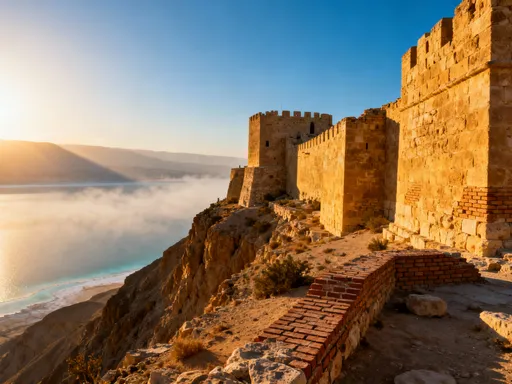
Beyond the main highways and famous parks lie hidden traces of Patagonia’s pastoral past—structures that speak of isolation, resilience, and quiet endurance. One such place is the abandoned Estancia Mirador, a former sheep station accessible via a 30-kilometer detour from Route 9. Its crumbling stone walls, weathered by decades of wind and rain, stand as silent witnesses to a time when vast estancias dominated the region’s economy. Rusting shearing equipment and old corrals dot the landscape, while a single surviving chapel, its wooden door barely hanging on, offers a poignant reminder of the spiritual life that sustained remote communities.
These forgotten sites are not curated for tourism. There are no admission fees, no guided tours, no gift shops. Instead, they offer something rarer: authenticity. Standing in the courtyard of an old estancia, feeling the wind press against your coat, you begin to grasp what life was like for the gauchos and sheepherders who lived here year-round, cut off from the outside world for months at a time. Their stories are written not in books, but in the very stones and soil.
Another evocative site is the Punta San Juan lighthouse, perched on a rocky outcrop along the Strait of Magellan. Though no longer fully operational, its white tower remains a navigational aid and a symbol of human determination in one of the world’s windiest regions. The road to reach it is rough, suitable only for 4x4 vehicles, but the solitude and sea views make the journey worthwhile. On clear days, the Antarctic Peninsula feels almost within reach, a reminder of how close this land is to the edge of the known world.
Exploring these off-the-beaten-path locations requires preparation and respect. Travelers should carry extra fuel, food, and emergency supplies, as help may be hours away. But for those willing to venture slightly beyond the map, the rewards are profound. These structures are not monuments to grandeur, but to perseverance—to the quiet courage of those who built lives in one of Earth’s most challenging environments. They invite reflection on what it means to live with purpose, even in solitude.
Practical Freedom: Why Self-Driving Beats Group Tours
While guided tours offer convenience, they often sacrifice spontaneity. Fixed schedules, predetermined stops, and limited time at key viewpoints can leave travelers feeling rushed, as if checking boxes rather than experiencing a place. Self-driving, by contrast, restores agency. It allows a mother to pause for her child to photograph a curious fox, a photographer to wait hours for perfect light, or a couple to share a thermos of tea at a deserted lakeshore without distraction. This autonomy is not just a luxury—it is the essence of meaningful travel.
In Punta Arenas, reputable car rental agencies offer a range of 4x4 vehicles equipped with winter tires, GPS devices, and emergency kits. While GPS coverage can be spotty in remote areas, most travelers combine digital tools with printed maps and route notes. Fuel stations are spaced approximately every 100 to 150 kilometers, making advance planning essential. A typical tank allows for 500 to 600 kilometers of travel, enough to cover major routes with careful management.
Driving conditions vary. Paved roads are generally excellent, but gravel sections require caution, especially in high winds or rain. Speed limits are low for good reason—sudden wildlife crossings, blind curves, and loose surfaces demand constant attention. Yet these challenges are part of the adventure, fostering a deeper connection to the environment. Every decision—when to stop, when to proceed, where to camp—becomes an act of engagement.
Moreover, self-driving supports sustainable tourism. By spreading out over time and space, independent travelers reduce pressure on popular sites. They are more likely to support small local businesses—family-run cafes, roadside artisans, rural gas stations—injecting income directly into communities. This form of travel respects both the land and its people, fostering a model of tourism that is not extractive, but reciprocal.
The Return: How the Journey Changes You
Returning to Punta Arenas after days on the road feels like re-entering civilization from another world. The city, once seen as merely a starting point, now feels familiar, almost comforting. The same streets that seemed quiet now brim with warmth; the same cafes offer solace after nights in remote lodges. This shift in perception is one of the journey’s most subtle yet profound effects. Patagonia does not just show you new landscapes—it changes how you see the world, and yourself.
The landmarks visited—whether the Monument to Magellan, the towers of Torres del Paine, or a forgotten estancia chapel—are no longer just points on a map. They become milestones in a personal narrative, symbols of courage, beauty, and endurance. The act of driving through this vast region fosters a sense of self-reliance and wonder that lingers long after the trip ends. Children who once complained about long drives now speak proudly of spotting a puma; couples who worried about road fatigue find they’ve grown closer through shared challenges.
More than sightseeing, this journey is an invitation to slow down, to notice, to feel. It teaches patience—with weather, with roads, with the unpredictable rhythms of nature. It cultivates gratitude—for warm meals, for shelter, for the simple joy of seeing a sunrise over a glacial lake. And it deepens respect—for the land, for its history, and for the people who have lived here across generations.
Ultimately, driving through Patagonia is not about covering distance. It is about depth. It is about trading the noise of everyday life for the whisper of wind across open plains, the glow of dawn on ancient peaks, the quiet pride of navigating a road few have traveled. For women in their 30s to 50s—many balancing family, work, and personal dreams—this kind of journey offers renewal. It is proof that adventure is not reserved for the young or the reckless, but for anyone with curiosity and courage. And when the engine finally falls silent back in Punta Arenas, the real journey has only just begun—within.